Training Recognition


Recognition from the ASFP means more than just a badge – it’s a sign of trust, quality, and professionalism. Join the scheme and show your commitment to competence in passive fire protection.
-
Who can apply?Any Organisation that delivers training can apply, including manufacturers offering internal training, commercial training providers, and contractors running in-house programmes.

-
Why be recognised?Being recognised by the ASFP adds credibility to your training, reassures clients and learners of its quality, and connects your courses to the industry's recognised competence framework.
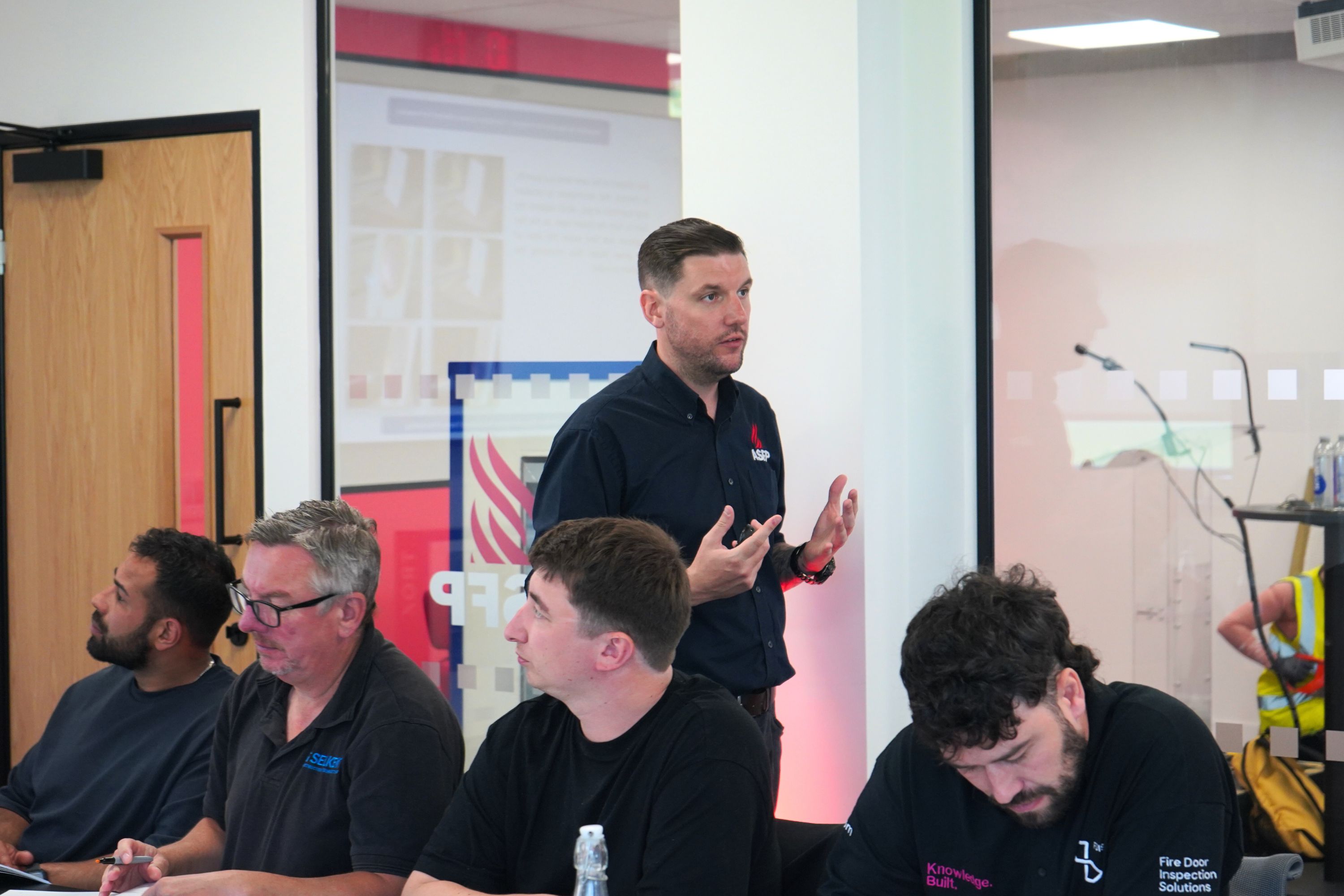
Develop your knowledge and build your competency in passive fire protection and acoustics in the built environment.
Face-to-face delivery (classroom and practical)
Design or procure: Cavity barriers, linear joint seals, perimeter fire seals in curtain wall facades
Install, inspect, maintain, or sell: Cavity barriers, linear joint seals, perimeter fire seals in curtain wall facades

At the Corrodere Academy we offer globally‑recognised training and certification programs.
Face-to-face delivery (classroom and practical), Self-paced online / eLearning
Install, inspect, maintain, or sell: Structural Fire Protection (Intu / Board /Spray)
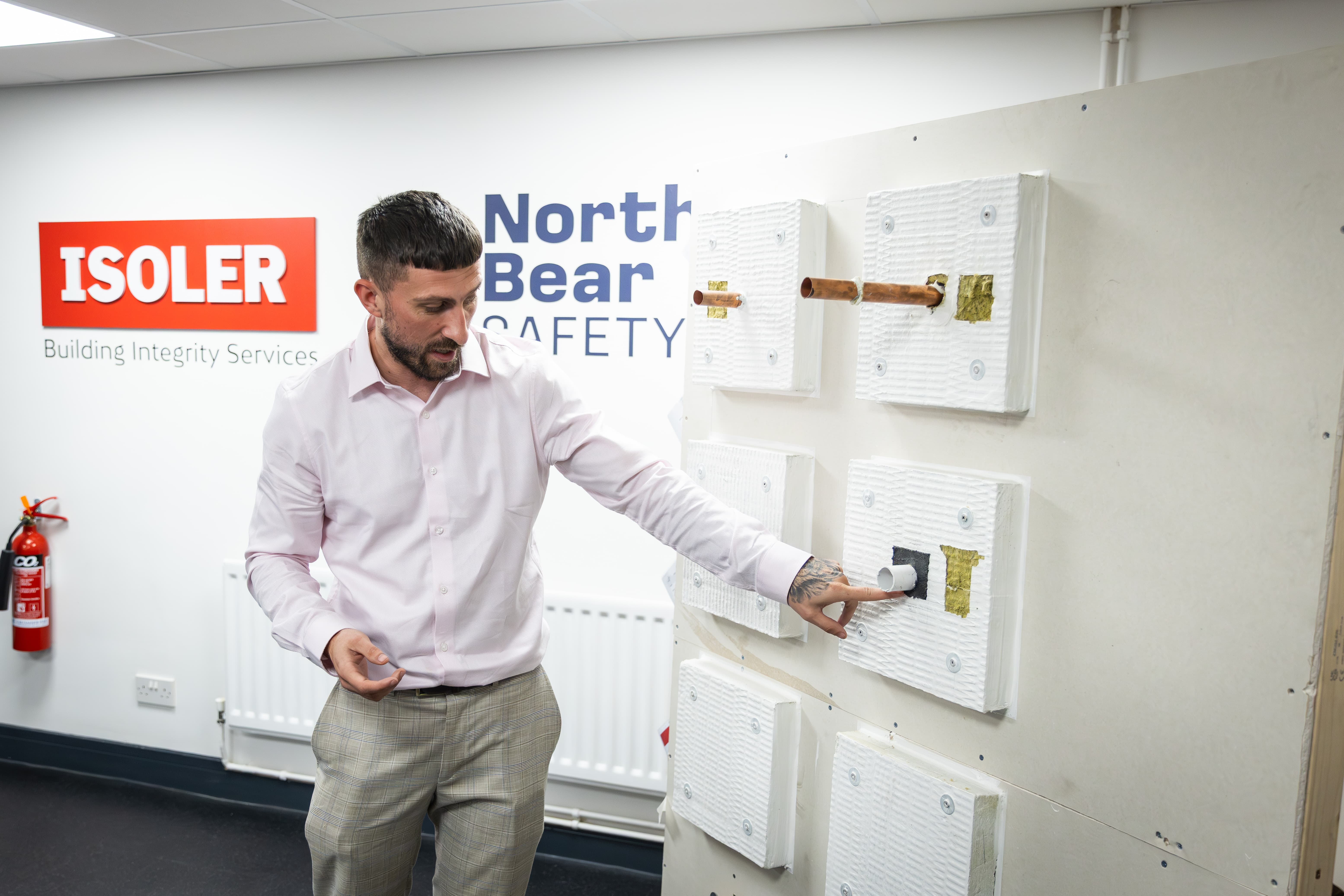
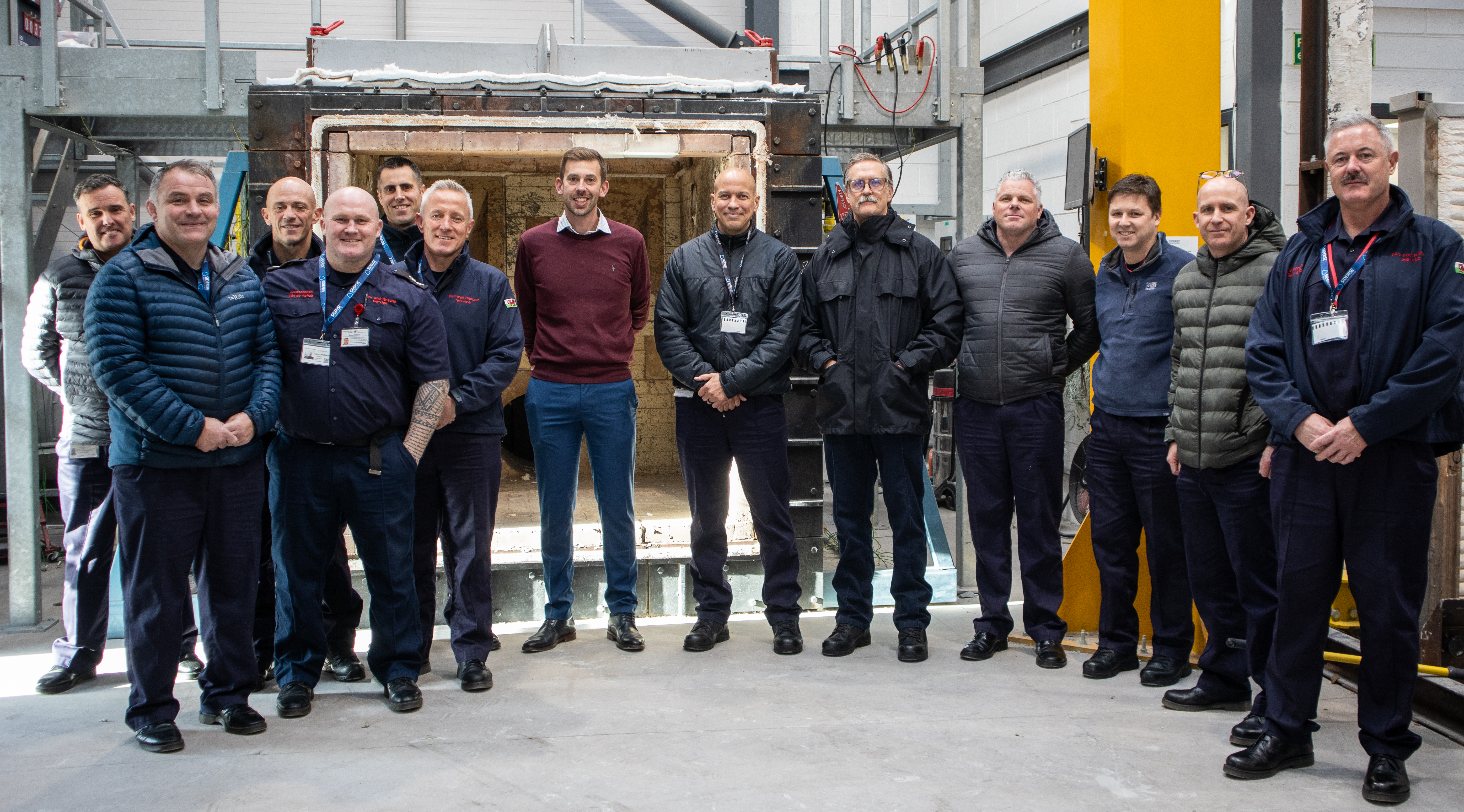
Our training courses cover critical aspects of passive fire protection, ensuring you are well-versed in maintaining building integrity and safety.
Face-to-face delivery (classroom and practical)
Design or procure: Structural Fire Protection (Intu / Board /Spray), Cavity Barriers, Active Curtains, Fire resistant and/or smoke control ducts, Fire resistant and/or smoke control dampers, FR Drylining for compartmentation, Service penetration Seals (Pipe / Cable / Duct or Damper), Linear Joint seals
Install, inspect, maintain, or sell: Structural Fire Protection (Intu / Board /Spray), Cavity Barriers, Active Curtains, Fire resistant and/or smoke control ducts, Fire resistant and/or smoke control dampers, FR Drylining for compartmentation, Service penetration Seals (Pipe / Cable / Duct or Damper), Linear Joint seals
Own & occupy: Buildings incorporating passive fire protection

With purpose-built facilities and dedicated resources, we offer a wide range of training courses to upskill and educate those within the construction industry.
Face-to-face delivery (classroom and practical)
Design or procure: Fire resistant and/or smoke control ducts, Fire resistant and/or smoke control dampers
Install, inspect, maintain, or sell: Fire resistant and/or smoke control ducts, Service penetration Seals (Pipe / Cable / Duct or Damper)
.webp)
At FSi Promat, competency has always been central to the way that we work. This is what gives us – and importantly our customers – confidence in our products and trust in the technical support we provide.
Face-to-face delivery (classroom), Tutor-led online delivery
Design or procure: Cavity Barriers, Service penetration Seals (Pipe / Cable / Duct or Damper), Linear Joint seals
Install, inspect, maintain, or sell: Cavity Barriers, Service penetration Seals (Pipe / Cable / Duct or Damper), Linear Joint seals
ASFP Training Recognition is an independent third-party evaluation of training specific to passive fire protection. ASFP Recognition ensures that all recognised providers work to the highest standards in both training delivery and passive fire technical input, and that recognised programmes provide current and up-to-date skills and knowledge relevant to industry.
The overriding benefit to providers is to evidence their commitment to quality in developing passive fire protection professionals. Specifically: - Use your internal training & assessment to support the competence pathway - Demonstrate your manufacturer-delivered training or CPD as valid independent training - Use the ASFP Recognised logos to promote training in the marketplace - All courses listed on the ASFP Competence Framework website
By only using training delivered by the ASFP or its recognised providers, you can be confident that you will receive high quality input that is technically accurate, neutrally presented, and both relevant and sufficient to demonstrate competence in passive fire protection. All training will be eligible to support registration on the ASFP competence register.
ASFP Training Recognition uses the term programme to acknowledge that not all training follows a traditional course model. Recognised programmes may include training courses, on-site or centre-based assessments, CPD, eLearning, distance learning, multi-session programmes or much more. All training courses can become ASFP Recognised Programmes if they can meet the criteria.
Once approved the provider will have ongoing support by ASFP experts, who will use a risk-based approach to monitoring providers and programmes. Providers will maintain their recognition for as long as they continue to be subject to the ongoing monitoring activities, which will include an annual review with the provider. The annual review may include an on-site audit of the provider, but this may not always be required. Providers deemed at higher risk, or with a number of non-conformances, may be subject to closer monitoring.
Provider recognition covers all in-scope programmes delivered, and providers can add or amend new courses as they are developed. All new courses, and those undergoing significant change, will require the content mapping to the framework of competencies so they can be added to the Competence Framework.
Start your application today on this page. Fill out the form using the 'Apply Now' button above and a member of staff will respond as soon as they become available.
No, Provider Recognition is available to ASFP members and non-members, but there are numerous other benefits to becoming an ASFP member.
Training Recognition is focused on providing certainty in three areas: - Does the programme meet the required quality of delivery (including delivery mechanism, style and facilities)? - Is the content technically accurate (including its accuracy and presentation of best practice)? - Does it support learner competence (is it relevant, sufficient and neutrally presented)? Provider assessments will be undertaken in two areas, training quality and technical capability. Detailed criteria for each can be found in the Training Recognition Provider Requirements document above.
Providers are recognised within a defined scope, reflecting the breadth of expertise available. Provider scope is defined by the nature of provision (e.g. classroom, vs technical, vs online courses) and the passive fire discipline(s) undertaken. The details of available scope can be found in the Training Recognition Provider Requirements document.